November 26, 2026
Flowers for a Hindu Mourning Ceremony
By @petalguide36
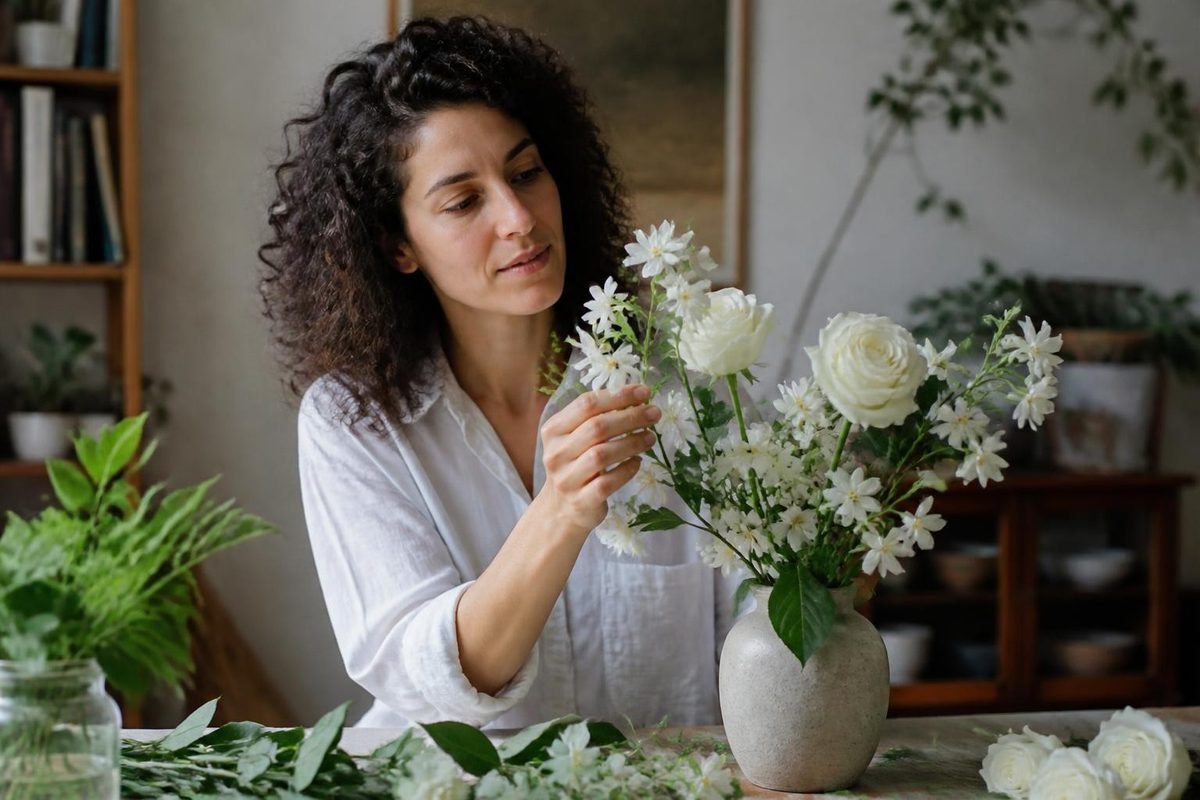
White flowers such as jasmine, lilies, and roses can be suitable for a Hindu mourning ceremony, particularly when the family prefers a simple expression of sympathy. Customs vary among Hindu families and communities, so ask the family or ceremony organizer before choosing an arrangement.
Why white flowers are often chosen
White is associated with mourning and purity in many Hindu traditions. A modest arrangement of white flowers can therefore be a thoughtful choice when you do not know the family's preferences. White roses, jasmine, and lilies offer different looks, but the color and simplicity may matter more than the variety.
There is no single flower rule for every Hindu funeral. Regional customs, family practices, and the wishes of the person who died can all shape the ceremony. Some families may welcome flowers in other colors, while others may prefer no flowers at all.
Which flowers to consider
Jasmine is used in Hindu worship and is sometimes made into garlands. Its small white blossoms make it a gentle choice, though its fragrance can be strong. Ask before bringing a garland, since the family may already have specific flowers prepared for the ceremony.
White roses are a practical option for a simple sympathy arrangement. They are widely available and can be presented without elaborate decoration. White carnations are another restrained choice if the family welcomes cut flowers.
White lilies may also be suitable, but their scent and pollen can be troublesome in a small room. If the flowers will be placed in a home, check that the household is comfortable with them. Lilies are also highly toxic to cats, so choose another flower if cats may have access to the arrangement.
Marigolds are familiar in many Hindu religious settings, but their use at a mourning ceremony depends on the family and local custom. Do not assume that their bright color is either required or inappropriate.
How to choose and send flowers
- Ask a relative, close friend, or ceremony organizer if flowers are welcome. This gives the family room to suggest another way to express support.
- Check where and when to send them. Flowers may be wanted at the family home rather than at the ceremony, or the family may have made other arrangements.
- Choose a modest arrangement in the colors the family suggests. If they give no guidance, white flowers with simple greenery are a cautious option.
- Include a brief note with your name and a sincere message of sympathy. The family may be receiving many visitors and messages, so a clear signature helps.
Respect the family's arrangements
Do not place flowers on the body, a photograph, or a ceremonial space unless someone responsible for the ceremony invites you to do so. These placements may be part of a family's own rituals, and organizers may need to keep the space clear.
Follow any request for donations or other gestures instead of flowers. A short message or practical help can be just as welcome, especially if the family is observing a period of mourning at home.
The most considerate choice is one that fits the family's wishes, even if that means sending no flowers.
Worth a look: visit this page
❧